


The hazel is a mysterious tree, treasured as a symbol of knowledge, thought to be magical, and later cultivated for its nuts. Today it’s just another deciduous tree that makes our woodland and gardens look that little bit more wonderful.
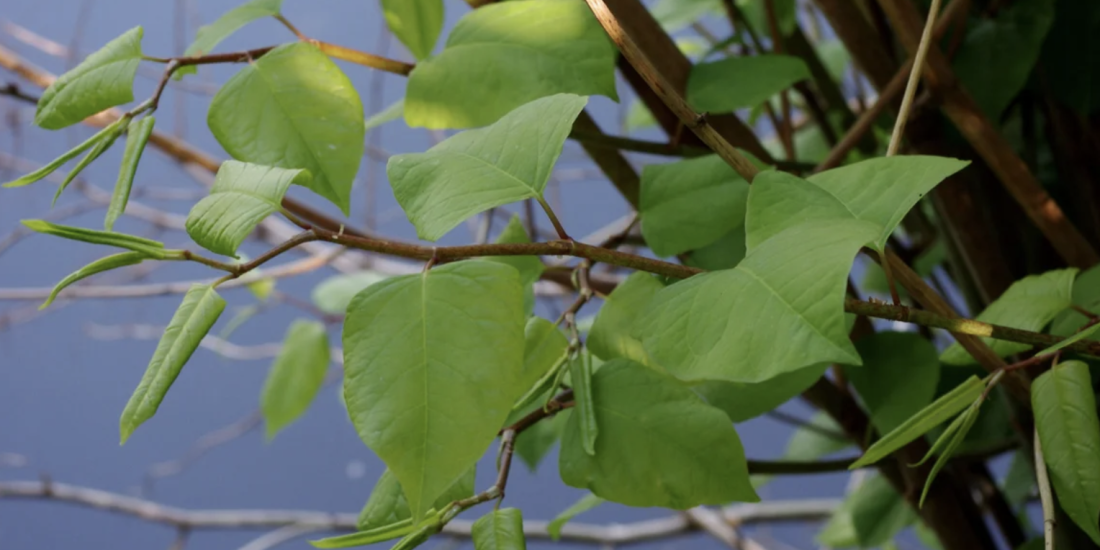
You can identify a hazel through its hairy stems and leaf buds, its soft downy leaves and, of course, the nuts it produces.
In your garden
Caterpillars and moths love hazel leaves, and the tree offers a home and food for dormice who have a taste for hazelnuts, as do woodpeckers, jays and wood pigeons.
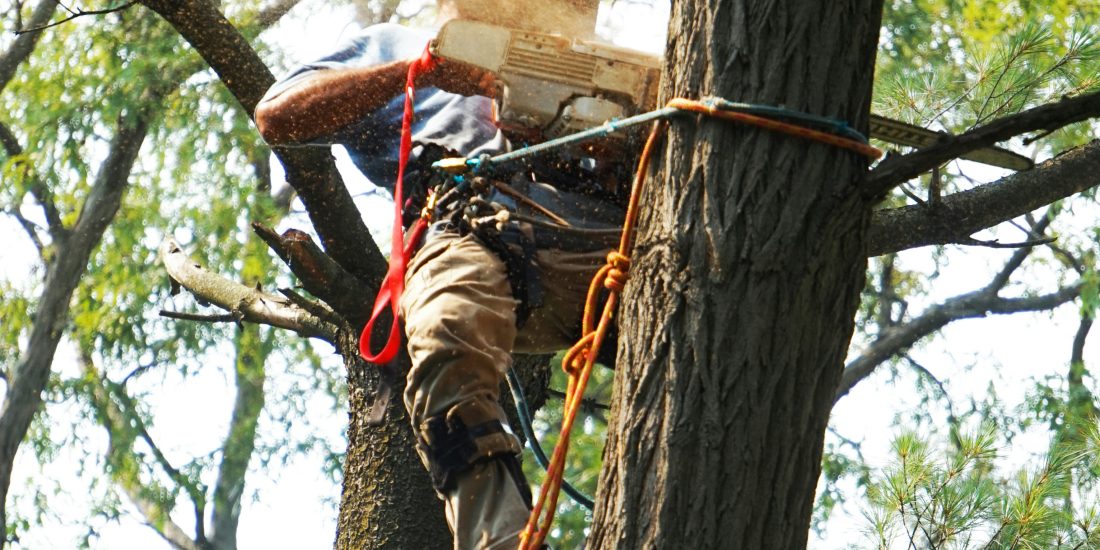
It’s important to prune your hazel regularly – preferably in winter – to allow light in to encourage flower and nut growth, to remove dead wood and to ensure balanced growth. Never over-prune though – a maximum of 25 to 30% of the canopy should be removed.
Threats your hazel may face
A hazel tree can live for hundreds of years, but, more than most other trees, it’s the way you look after it that will determine its lifespan. A coppiced tree – that’s one which is periodically cut back to ground level to stimulate regrowth – can last several times longer than a hazel that is left to its own devices, as that will only have a life expectancy of around eighty years. Therefore, maintenance is vital to your tree’s continued health.
As it happens, hazel is one of the few species of tree that has very few natural threats. Pests and diseases tend to leave it alone, though the odd infestation of aphids may occur if you’re very unlucky.
So, in the early years – say, up to its fifth birthday – it’s all about training your tree by pruning it to grow thick and strong, but then it’s mostly about pruning and coppicing to encourage healthy growth.
A few things you may not know about your hazel trees
- Hazel was thought in ancient times to be a magical tree
- Hazel twigs are used for water divining
- Hazelnuts used to be grown on an industrial scale in the UK, but today most are imported
- The largest global producer of hazelnuts today is Turkey
If you would like to talk to an expert about the good health of your hazel trees, call us on 0208 292 8992. We’re always happy to pop round or to help with a little advice