
Dutch elm disease has wiped out most of Britain’s elm trees over the past hundred years, and while mature elms are now rare, millions of young saplings still grow across the country. These young trees can still catch the disease, so spotting it early gives your trees the best chance of survival.
What is Dutch elm disease?
Dutch elm disease is a fungal infection spread by elm bark beetles, which are small, dark insects around half a centimetre long that feed on the young twigs at the tops of elm trees. When they feed, they pass the fungus into the tree, and the tree tries to fight back by blocking its water vessels where the infection starts. The problem is that the fungus spreads faster than the tree can cope, and eventually the water supply gets cut off completely, causing the tree to die and become a breeding ground for more beetles.
A brief history
The disease was first spotted in 1910 and over the next 30 years it spread across Europe, killing around one in four elms in some countries before dying down in the 1940s. The second wave was far worse, with a more aggressive strain reaching Britain in the 1960s, probably in shipments of infected timber from North America. Over the next 30 years more than 80% of UK elms were killed, and in southern England almost 100% of mature elms were lost. The disease is still active today, and any elm that grows big enough becomes a target.
How the it spreads
Elm bark beetles carry the fungus from tree to tree, and these small dark brown or black insects are about half a centimetre long. Adult beetles feed on soft bark high up in healthy elm trees, and as they chew they introduce fungal spores that came from wherever the beetle grew up inside an already infected tree.
Once inside, the fungus spreads quickly through the vessels that carry water from roots to leaves, and although the tree tries to block off infected areas it can’t keep up, so water flow drops until the tree can’t survive. As the tree weakens, female beetles burrow into the dying bark to lay eggs, and the larvae grow surrounded by fungus before emerging as adults and carrying spores to the next healthy tree.
When symptoms appear
You’ll usually see symptoms between May and July when beetles are most active, but timing can vary depending on how the tree was infected. Trees infected through their roots from a sick neighbour may show signs at different times, and sometimes a tree infected late in the year won’t show symptoms until the following spring, which is why you should check your elms regularly throughout the growing season.
How to spot Dutch elm disease
Catching it early is your best chance of saving a tree, and symptoms usually start at the top of the tree and work downward.
Early signs to look for
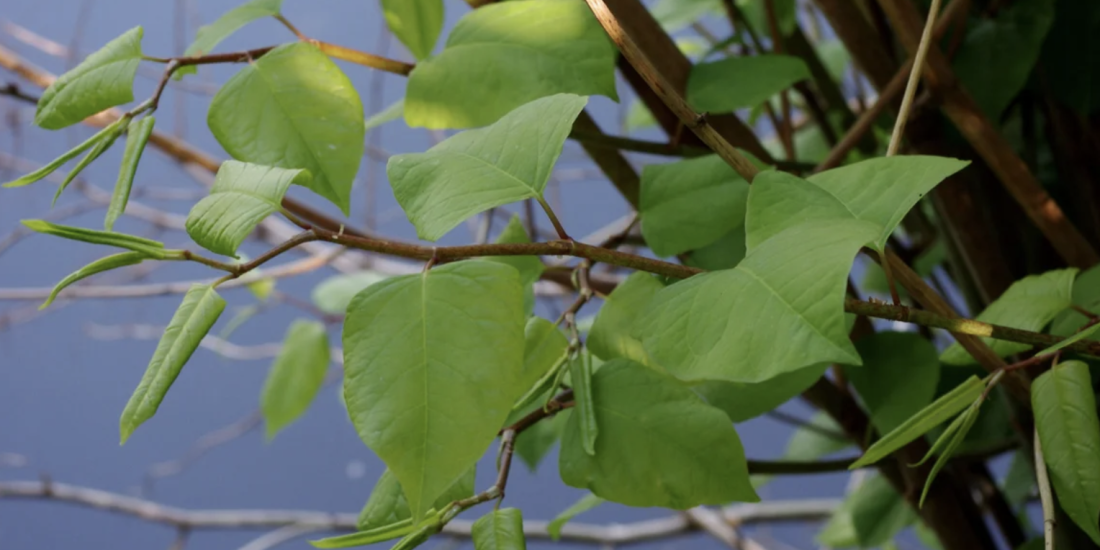
– Clusters of yellow, wilting leaves while the rest of the tree looks fine
– Leaves curling at the edges before changing colour
– Individual branches looking stressed when others look healthy
– Thin patches appearing in the canopy
These early signs are easy to miss especially high up, so binoculars can help you check the crown of larger trees.
Later signs as the infection spreads
– Yellow leaves turning brown but staying on the branch rather than falling
– Leaves dropping in early summer when they should be at their greenest
– Twigs curling downward into a hook shape
– Shoots dying back from the tips and progressing further down the branch
– Bark loosening or falling off affected branches
How to confirm it
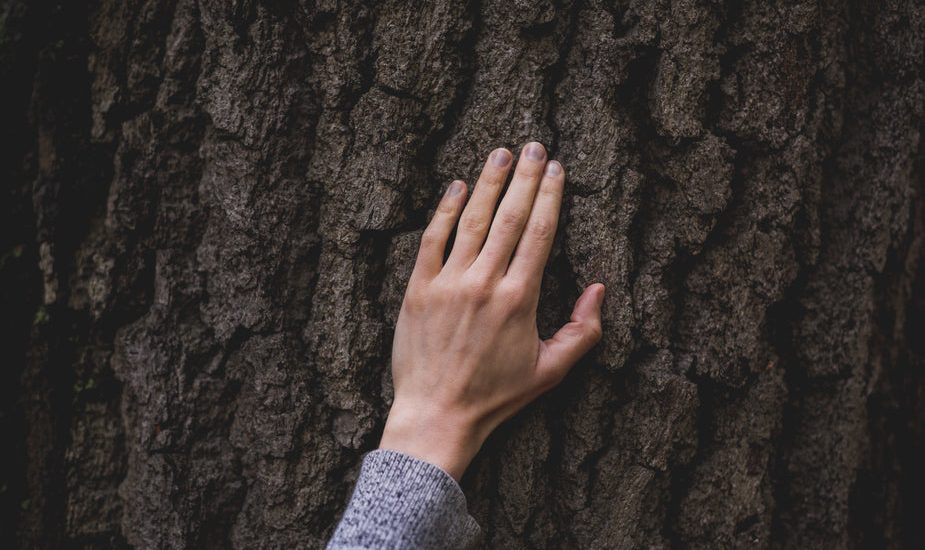
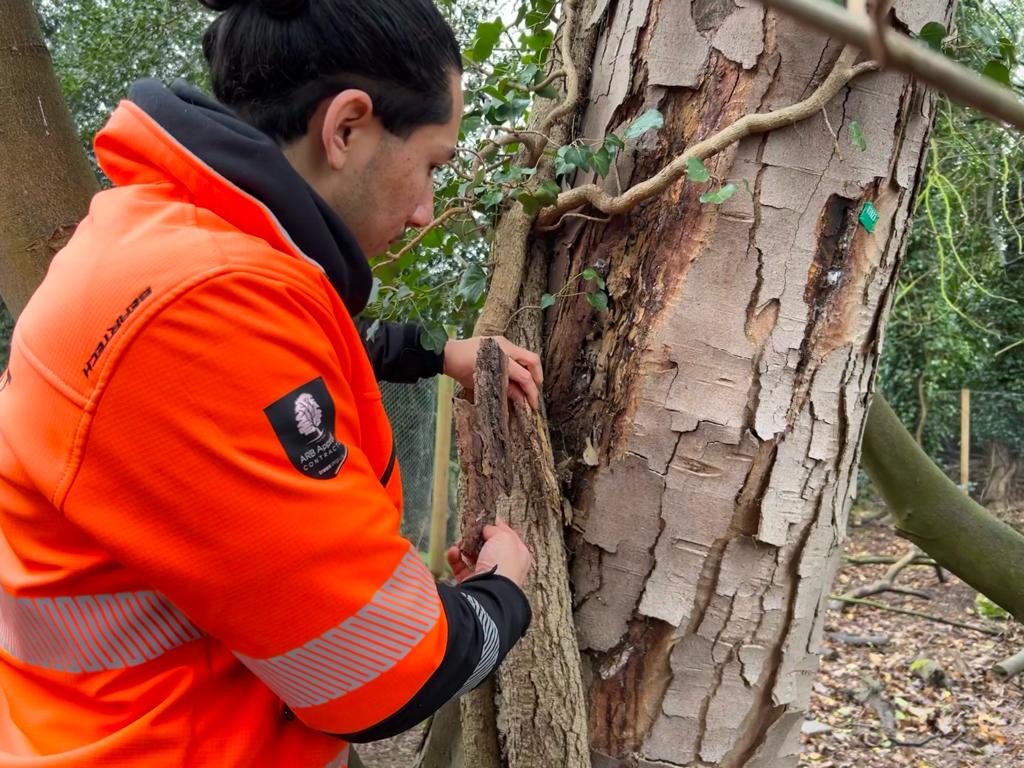
Other problems can cause similar symptoms including drought and other fungal infections, so to be sure you need to check the wood beneath the bark. Peel back a small section of bark on an affected twig and look at the colour of the wood underneath. Healthy wood is pale and even, while infected wood has dark brown or purple streaks running through it. You can also cut through the branch, and infected wood will show a brown ring or partial ring marking the diseased vessels. If you see these signs, call a tree surgeon to assess the situation.
Why elms keep coming back
When an elm dies from the disease the roots often survive, and new shoots grow from these roots to become saplings, meaning one dead elm can produce dozens of new young trees. Elms also spread by seed, though English elms don’t produce seeds as often as other types, which combined with root sprouting explains why Britain still has millions of young elms.
The catch is that beetles aren’t interested in young trees and prefer elms that have grown big enough to have thick bark for breeding, so young elms can grow for years without any beetle attention. Once they reach that critical size they become targets, the beetles find them and infect them, the tree dies, and that’s why you see plenty of elm saplings around but almost no big ones.
What to do if you find it
Act fast because quick action can sometimes save a tree and always helps protect nearby elms.
If it’s caught early
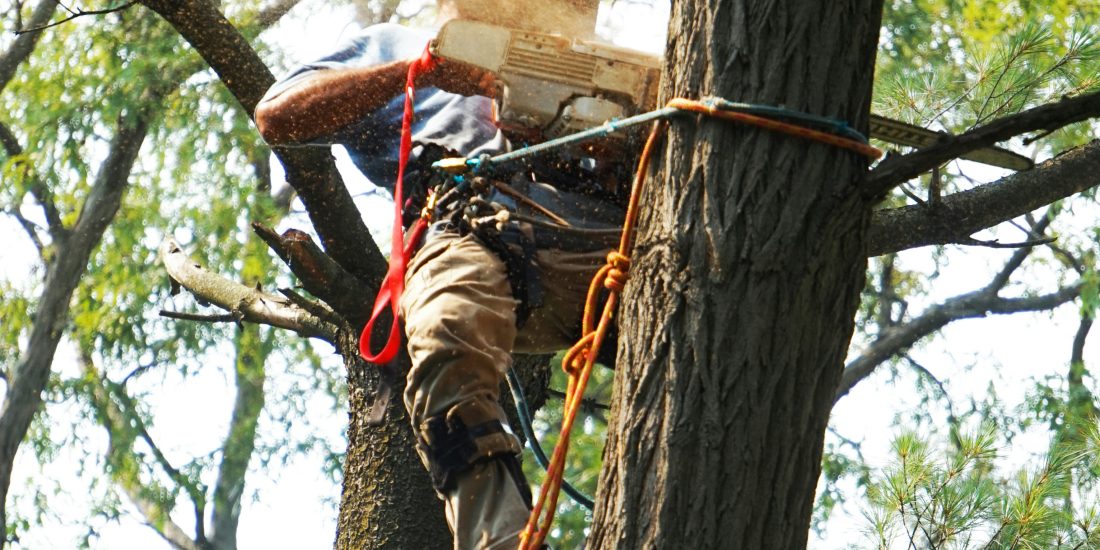
If only one or two branches are affected you might be able to cut out the infected wood before it spreads, but you need to cut at least two metres below any visible symptoms into wood that looks healthy. Get a tree surgeon to assess and carry out the work, and even with fast action it doesn’t always work, so keep watching the tree in the following months and seasons.
If it’s spread through the tree
Once the disease is established the tree usually has to come down, because leaving it standing creates a breeding site for beetles and puts other elms at risk. Follow local rules for disposing of diseased wood, as some areas have controls on moving elm timber to prevent further spread.
Protecting nearby elms
Elms growing close together often share root systems, and the fungus can spread underground from one tree to another without any beetles involved. If you have elms near an infected tree, a tree surgeon may be able to cut the root connections to stop underground spread before it reaches healthy trees.
Looking ahead
Researchers are working on elm varieties that resist the disease, and some Asian elms and hybrid types survive much better when exposed to the fungus. Conservation groups are also tracking mature elms that have survived in badly hit areas, as these trees might carry useful genes for breeding resistant varieties. If you have a big elm that’s survived when others nearby have died it could be worth reporting to local conservation programmes, but for now regular checks and fast action remain the best tools we have.
Concerned about your elm trees?
If you’ve spotted signs of Dutch elm disease or you’re worried about the health of any trees on your property, the team at Thor’s Trees can help. Our qualified arborists can assess your trees, confirm whether disease is present, and advise on the best course of action to protect your garden and surrounding elms.
Get in touch today for expert advice and professional tree care you can trust.
FAQ’S
What does Dutch elm disease look like?
The first signs are usually clusters of yellow, wilting leaves in the upper canopy while the rest of the tree still looks healthy. As the disease progresses, leaves turn brown and drop early, twigs curl downward into a hook shape, and shoots die back from their tips. To confirm Dutch elm disease, peel back the bark on an affected branch and look for dark brown or purple streaks in the wood, or cut through the branch to see a brown ring marking the infected vessels.
What causes Dutch elm disease?
Dutch elm disease is caused by a fungus from the Ophiostoma family, which is spread by elm bark beetles. These small beetles feed on healthy elm trees and introduce fungal spores as they chew through the bark. The fungus then spreads through the tree’s water-carrying vessels, blocking water flow until the tree dies. The disease can also spread underground through shared root systems between neighbouring elms.
Can Dutch elm disease be treated?
There is no cure for Dutch elm disease, but early action can sometimes save a tree if the infection is caught before it spreads. If only one or two branches show symptoms, a tree surgeon may be able to remove the infected wood by cutting at least two metres below the visible damage. Once the disease has spread through a significant part of the tree, removal is usually the only option to protect other elms nearby.
Is Dutch elm disease still a problem in the UK?
Yes, Dutch elm disease is still active across the UK and continues to kill elm trees today. The disease devastated Britain’s elm population in the 1970s and 1980s, wiping out over 80% of elms nationally and nearly 100% of mature elms in southern England. While millions of young elm saplings have grown back from surviving root systems, these trees remain vulnerable once they reach maturity and attract elm bark beetles.
When is Dutch elm disease most likely to appear?
Symptoms typically show up between May and July, which is when elm bark beetles are most active and feeding on new growth. However, trees infected through root contact with a diseased neighbour may show signs at different times, and elms infected late in the season might not display symptoms until the following spring. Regular checks throughout the growing season give you the best chance of catching an infection early.