

A UK gardener’s guide to planting for more birdsong across North London and Hertfordshire
There is a particular pleasure in glancing out of the kitchen window on a grey morning and seeing a blackbird working its way through a tree full of berries, or a little flock of goldfinches swinging from the seed heads. A garden that draws birds in feels alive in a way an empty, over-tidy one never does, and the single biggest thing you can do to invite them is to plant the right tree.
Not every tree pulls its weight for wildlife, though. Some offer next to nothing a bird can actually use, while others provide food, shelter and nesting cover across the whole year. The happy news for anyone gardening in the UK is that many of our best native trees are also compact enough for an ordinary garden. These are the ones worth making room for, and the reasons the birds love them.
What makes a tree good for birds
Birds are looking for three things from a tree, and the best ones offer all three. The first is food, which usually means berries and fruit in autumn and winter, or seeds and nuts that see smaller birds through the leaner months. The second is insects, because a tree that hosts plenty of caterpillars, aphids and beetles becomes a feeding station for tits, warblers and wrens, especially when they have hungry chicks to fill. The third is cover, since dense growth and a good branching structure give birds somewhere safe to shelter from the weather, hide from predators and build a nest.
Native trees tend to win on all three counts, which is the thread running through the list below. They have grown alongside our wildlife for thousands of years, so far more insects and birds have learned to make use of them.
Rowan
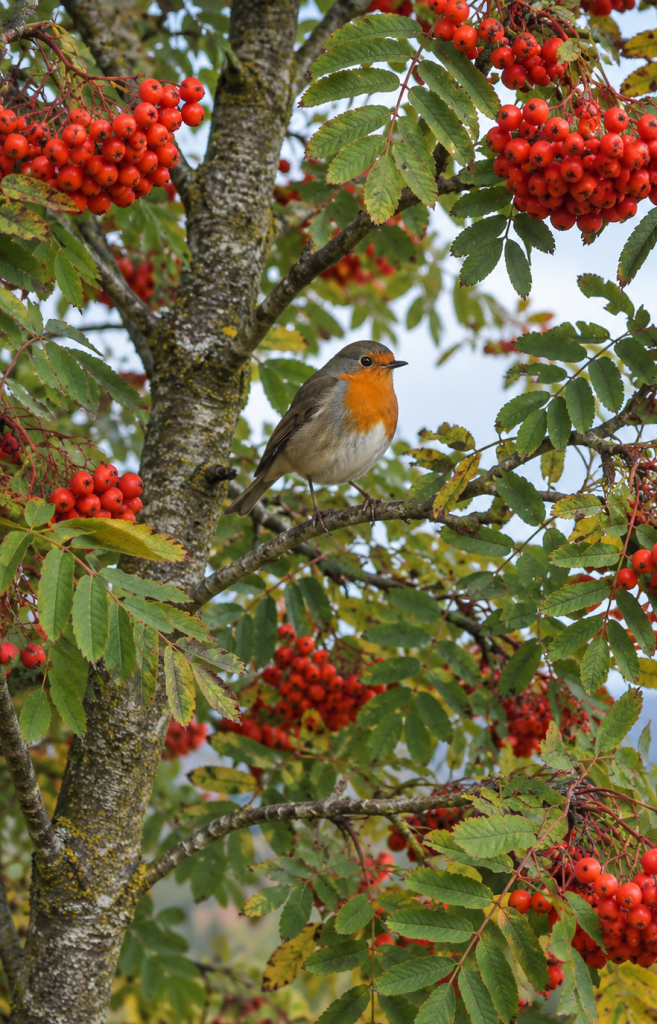
Rowan, sometimes called mountain ash, is one of the finest small trees you can plant for birds, and it suits almost any garden. In late summer and autumn it hangs heavy with clusters of orange-red berries that blackbirds, song thrushes and starlings strip through quickly, while winter visitors such as redwings, fieldfares and the occasional waxwing will travel a long way for a good crop. It stays a manageable size, copes with most soils and gives you spring blossom into the bargain. If you have room for only one tree and birds are the goal, rowan is hard to beat.
Hawthorn
Hawthorn earns its place twice over. Its deep red haws are a reliable autumn and winter food for thrushes, blackbirds, finches and migrating birds, while its dense, thorny growth makes some of the safest nesting cover in the garden. Whitethroats, greenfinches and many other birds tuck their nests deep inside where cats and larger predators struggle to reach, and the spring blossom draws in the insects that bring yet more birds. Grown as a small tree or clipped into a hedge, hawthorn is one of the hardest-working plants for wildlife you can choose.
Holly
Holly brings something the deciduous trees cannot, which is cover and colour right through the coldest months. Its glossy evergreen leaves give birds a warm, sheltered place to roost and nest even in the depths of winter, and its bright red berries are a lifeline for thrushes, blackbirds and redwings once the easier food has gone. A mistle thrush will often claim a well-stocked holly and defend it fiercely against all comers. Do bear in mind that you need a female plant for berries, and that holly berries are mildly poisonous to people and pets, so it is worth knowing which garden berries to watch if you have young children.
Silver birch
The silver birch is loved for its elegant white bark, but birds value it just as much for what it carries. Its catkins and tiny seeds are eagerly worked over by siskins, redpolls, greenfinches and other finches through autumn and winter. Just as importantly, birch supports an enormous number of insects and caterpillars, which turns it into a busy feeding ground for blue tits, great tits and warblers in spring and summer when they are raising broods. Its light, airy canopy casts little shade, so it sits comfortably in a smaller garden.
Crab apple
Crab apple is a lovely choice where you want blossom in spring and fruit for birds later in the year. The little apples ripen from autumn and often cling on well into winter, giving blackbirds, thrushes, fieldfares and redwings something to feed on long after softer berries have vanished. The froth of spring flowers is excellent for pollinating insects, which in turn feed the birds, and the tree stays small enough for most plots. If you like the idea of a tree that earns its keep, a crab apple works hard for wildlife and looks beautiful doing it.
Elder
Elder is fast, forgiving and generous. By late summer it is dripping with clusters of dark purple berries that warblers, blackcaps, starlings and thrushes feast on before heading off on migration, and its early flowers feed a good range of insects. It will grow almost anywhere, which is exactly why you so often see it self-seeded along hedgerows and field edges. In a garden it can get leggy if left to its own devices, so a little pruning keeps it neat, but for sheer amount of food produced for so little effort, elder is tough to argue with.
Hazel
Hazel is worth a place for its autumn nuts alone. Nuthatches, great spotted woodpeckers, jays and coal tits all take hazelnuts, and jays in particular bury them for later, planting the odd tree by accident in the process. The long yellow catkins are one of the first signs of spring and feed early insects, while hazel’s bushy, multi-stemmed habit gives birds plenty of low cover for nesting and shelter. It responds well to being cut back hard every few years, a traditional practice called coppicing that keeps it productive and the right size.
For larger gardens, the mighty oak
If you have the space, nothing supports British bird life quite like an oak. A mature oak hosts more insect species than any other UK tree, which makes it a vast larder for tits, warblers, treecreepers and woodpeckers, while its acorns are prized by jays, wood pigeons and nuthatches. The catch is size and time. An oak is a tree for a big garden, a paddock or a field corner, and it takes decades to come into its own, so planting one is a gift to the birds and to whoever gardens here long after you. If you are lucky enough to have the room, an oak is the ultimate wildlife tree.
Native trees do more than ornamentals
It is worth a word about the many ornamental trees sold mainly for their looks. A flowering cherry, an ornamental pear or a neat evergreen from the garden centre can be genuinely pretty, yet a lot of them support very few of our native insects and carry little a bird can eat. That does not mean you have to tear anything out, and a varied garden is a healthy one. It simply means that if attracting birds is high on your list, leaning towards native species like the ones above will do far more good than a tree chosen for its flowers alone. Even one well-placed native tree makes a noticeable difference.
Small changes that bring even more birds
A single good tree is a strong start, and a few extra habits multiply its effect. Underplanting with native shrubs such as blackthorn or dog rose, or letting a patch of ivy mature, adds another layer of berries and nesting cover, and ivy in particular is one of the last food sources standing in late winter, which we look at in our piece on ivy in the garden. Resisting the urge to tidy away every last leaf and seed head leaves more food and more insects within reach through the cold months, and a shallow dish of fresh water for drinking and bathing pulls birds in all year round. If your trees do need any pruning, timing matters, because it is against the law to disturb an active nest, so major work is best kept outside the main nesting season of March to August.
FAQs
What is the best tree for attracting birds in a small garden?
Rowan is hard to beat for a smaller space. It stays compact, copes with most soils, and its autumn berries draw in blackbirds, thrushes and winter visitors like redwings and fieldfares. Crab apple and a female holly are excellent small-garden choices too, giving you fruit and, in holly’s case, year-round evergreen cover.
Do I need native trees to attract birds?
You do not strictly need them, but native trees such as rowan, hawthorn, birch and oak support far more insects and offer food our birds have relied on for thousands of years, so they attract noticeably more wildlife than most ornamental trees. A mix is perfectly fine, though leaning native will always do more good.
Which trees give birds food in winter?
Holly, hawthorn, rowan and crab apple all hold their berries or fruit well into the colder months, which is when birds need them most, and mature ivy is another valuable late-winter food source. Between them they help see thrushes, blackbirds and winter migrants through the leanest part of the year.
Do berry trees attract birds better than others?
Berries are a big draw, but they are not the whole story. The best wildlife trees also host plenty of insects for birds to feed their chicks in spring, and offer dense cover for nesting and shelter. A tree like hawthorn, which provides food, insects and safe nesting all at once, tends to attract the widest range of birds.
How long before a new tree starts attracting birds?
Faster than you might expect. A young rowan or crab apple can carry its first useful crop of berries within a few years of planting, and birds will start using even a small tree for perching and shelter almost straight away. Larger trees like oak take much longer to reach their full value, so they are planted very much with the future in mind.
Can I prune my trees without disturbing nesting birds?
Yes, as long as you time it well. Birds are protected while nesting, so it is against the law to damage or destroy an active nest. Keep any significant pruning outside the main nesting season, which runs roughly from March to August, and if you are unsure whether a tree is in use, it is worth having it checked before any work begins.
Plant for the birds, and let Thor’s Trees look after the rest
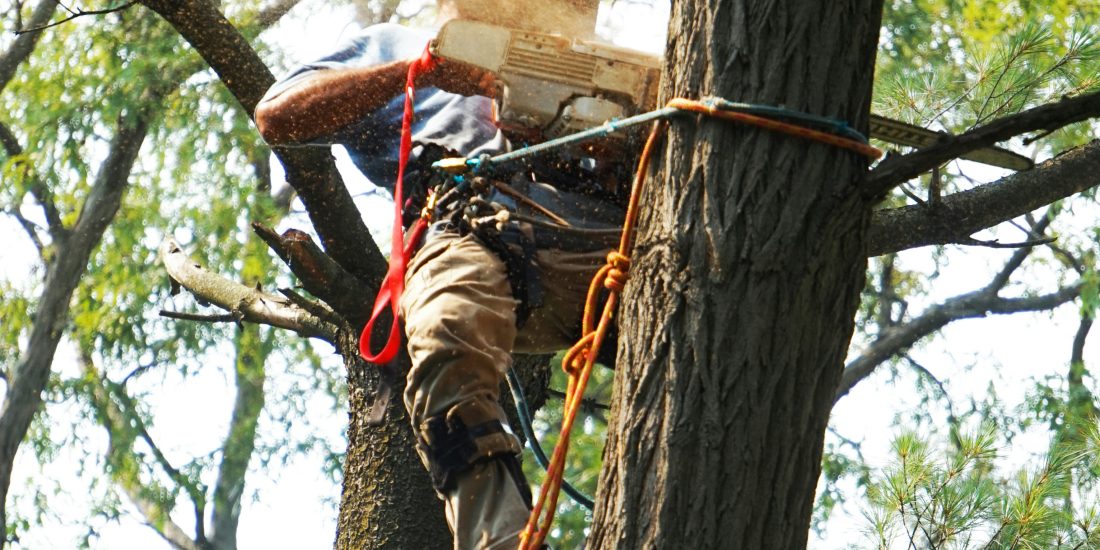
A garden full of birdsong usually starts with one good tree and a little patience. Once those trees are in and growing, keeping them healthy, well shaped and safe is where Thor’s Trees comes in. As an ARB Approved Contractor working across North London and Hertfordshire, our arborists can advise on the right species for your space through our tree planting service, keep established trees in good health with ongoing tree care, and carry out any pruning and maintenance with wildlife and the nesting season firmly in mind. If you would like a professional eye over the trees you already have, our survey and consultancy service is there to help, and you can see all the areas we cover across the region.