



As the days grow longer and each morning it becomes increasingly more difficult to drag yourself from beneath the nice warm duvet, spare a thought for the trees in your garden.
They may seem hardy enough to handle anything, but as temperatures plummet, your trees will face the elements in full force, a barrage of wind, rain and sleet, and maybe even a coating of snow over the coming months (great for the kids, but not always a good thing for your trees).
Below, I’ve have listed the four most important ways in which you can prepare your garden and trees for winter so, come spring, they will be as full of the joys as you are!
- Clean-up
Before you do anything else, I would recommend preparing your outdoor space for winter by removing any dead trees, fallen branches and leaves. Not only does this make your garden look so much better, but it will also be safer – dead trees are less stable and the weight of snow or strong winds can, therefore, cause them to fall (on property, fences, sheds or even, if you’re really unlucky, on people), debris that can be whipped up in high winds and damage property or other trees. And too much organic material lying about in your garden could increase the chances of waterlogging, which once again is not a good thing for your trees.
- Pruning
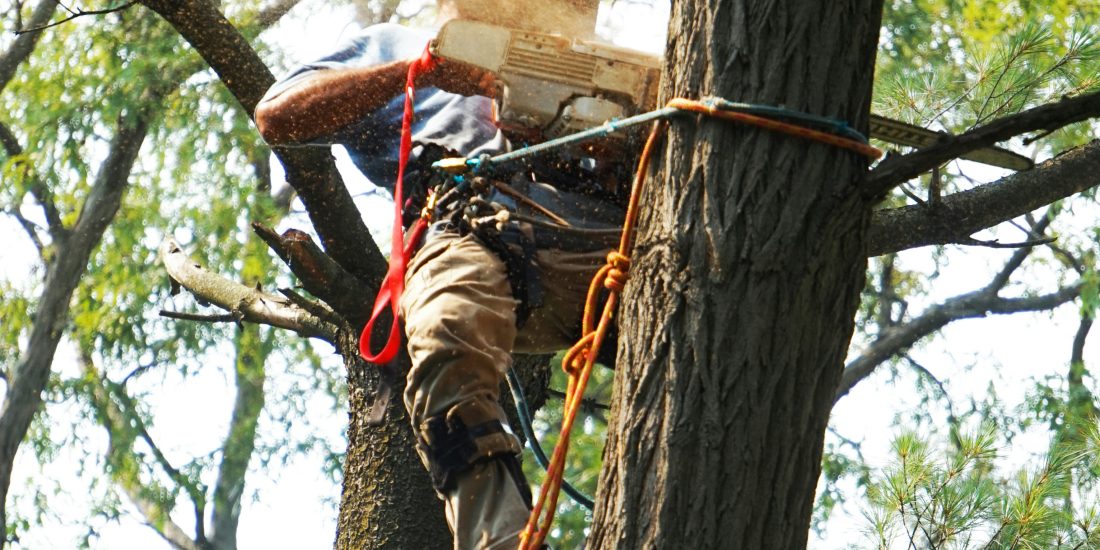
A little last-minute pruning is an important way to improve the strength of your remaining trees through the winter months and beyond. Removing weaker branches can prevent them from falling and causing damage, and reducing the density of the canopy of your trees will ensure that wind can pass more easily through the branches so they don’t act as a sail in high winds as that could fell your tree.
- Preparation and Protection
Throughout most of the year your trees enjoy protection from the sun due to their thick layer of leaves; however, when the leaves die and fall away, the winter sun can cause damage to the bark. Specially designed tree-wraps or guards protect against the onslaught from the weather as well as animals and other arboreal attackers! The often extreme force of the elements in winter means it is extra important to ensure that any supporting stakes and ties are also secure.
- Feeding and watering
Think droughts are just in the summertime? Well, you may be surprised to hear that your trees are just as susceptible to thirst issues in the winter as they are in the warmer months, so it is important to give your trees access to adequate water supplies. Be sure to do this when the ground isn’t frozen. Mulch or compost is a great way to reduce temperature extremes and fluctuations as well as helping your trees retain that all-important moisture. Just make sure to leave a gap of around 6 inches between the trunk and the mulch so as to discourage an overgrowth of fungus and other nasties!
Now you’ve got a few expert tips to consider, it’s time to pop out into the garden and see what needs doing. Of course, if you’d like some help with this, you can always call in a specialist – we’re always happy to help. Call us on 0208 292 8992.