

What survives a drought summer and what doesn’t, across North London and Hertfordshire
Almost every garden across North London and Hertfordshire looks much the same: a lawn the colour of straw, and a tree or two whose leaves went brown at the edges weeks before autumn had any claim on them. Drought has been declared across almost three-quarters of England, after the driest July on record and an August managing 4% of its usual rain. If your garden looks worse than you can remember it looking, the weather is the reason.
Two questions always follow: whether the grass will come back, and whether the tree has died. The answers run in opposite directions.
The short answer, and why grass and trees are not the same problem
Grass keeps its growing points in a crown at soil level, so when water runs short it sheds the leaf it can no longer supply and shuts down, going brown on top while the crown lives on beneath. That is why a lawn can look finished in August and be green again a fortnight after rain.
A tree has nowhere to retreat to. It can drop leaves early and still pull through, but once it has died there are no reserves left, so reviving one is really a question of diagnosis. Sustained heat strains trees more deeply than the leaves let on.
Will watering dead grass bring it back?
If the crown is alive, yes, though rain does the job better and at no cost. If the crown has died, watering will not help, because there is nothing left to regrow from.
Most British lawns are ryegrass and fescue, and both sit dormant for six to eight weeks before real losses set in. The check takes ten seconds: take a handful of brown grass and give it a gentle tug, because dormant grass resists while dead grass lifts away with almost no effort. Even browning across the whole lawn is reassuring, whereas brown in irregular patches means plants have started to go.
The RHS position on a parched lawn is to leave it be. If you do water, a hosepipe ban does not stop you, since cans, buckets and water butt supplies are all permitted, but water thoroughly and infrequently rather than sprinkling little and often.
Working out whether a tree has died
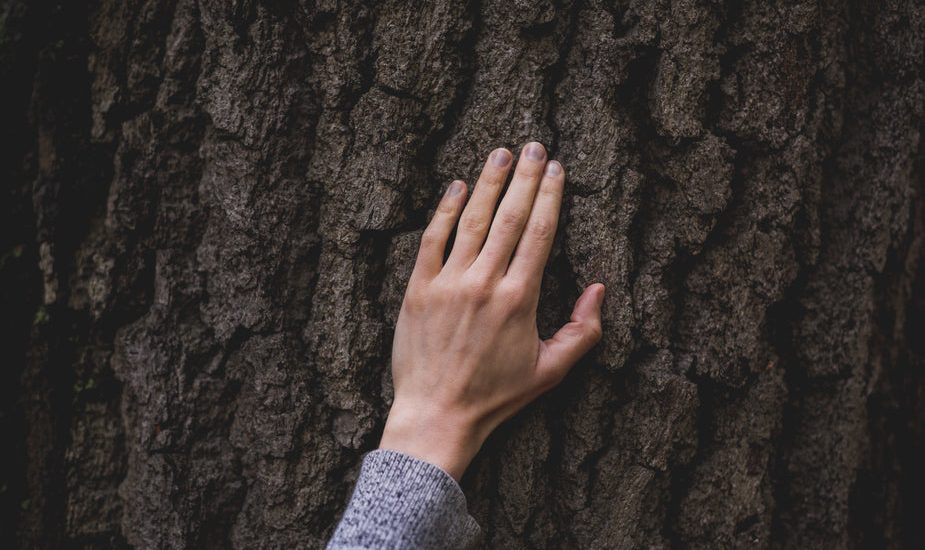
Three checks will tell you most of what you need, and none needs more than a penknife. The scratch test is quickest: scrape a sliver of bark from a twig to expose the cambium beneath, where green and slightly moist means living tissue and brown and crumbly means that part has died. Try several branches and low on the trunk too, mind, because a tree can be dead in the crown and alive further down. Look for buds next, which a living tree carries firm along its twigs even when leafless, and check the bark for peeling, deep cracks or fungal brackets. The same checks in winter take a slightly different eye.
One honest caveat for a summer like this: a tree that has dropped its leaves in August is not giving a reliable answer either way, and the verdict comes next spring, when a tree that fails to leaf out while everything around it does has died.
What helps a stressed tree
Water is the obvious answer, though where it goes counts for as much as the quantity. Roughly 90% of tree roots sit in the top foot of soil out to the canopy edge, so watering at the trunk achieves very little. A long, slow soak at the canopy edge beats several short doses, and a mulch of bark or wood chip across the root area, kept clear of the trunk, holds that moisture in.
Two things are best avoided: feeding a stressed tree, since fertiliser drives growth it has no water to support, and any significant pruning until conditions improve. Drought settles its account late, so watch for the early signs of decline next summer rather than assuming a tree that comes through August is in the clear.
When the honest answer is removal
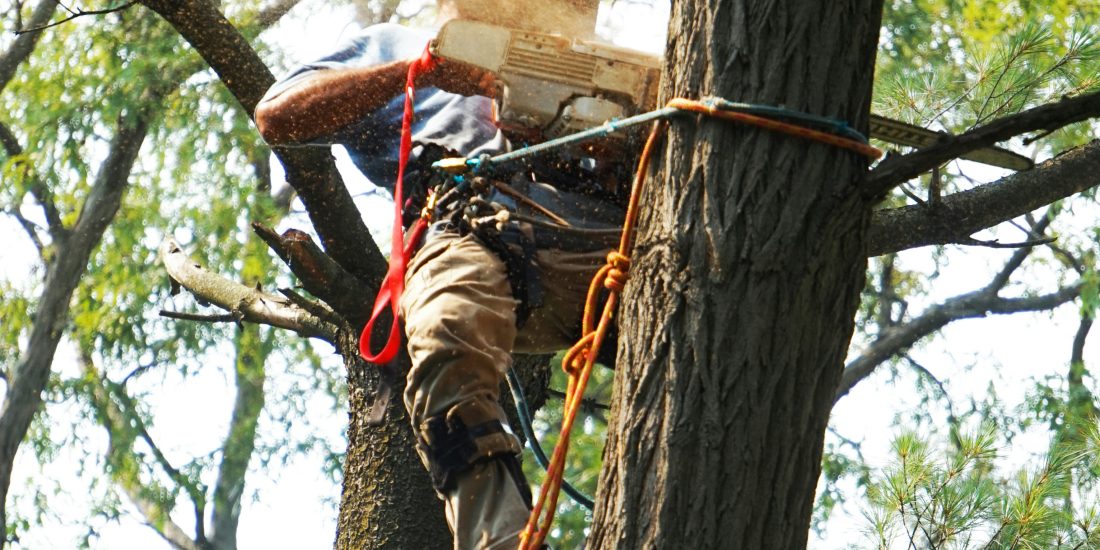
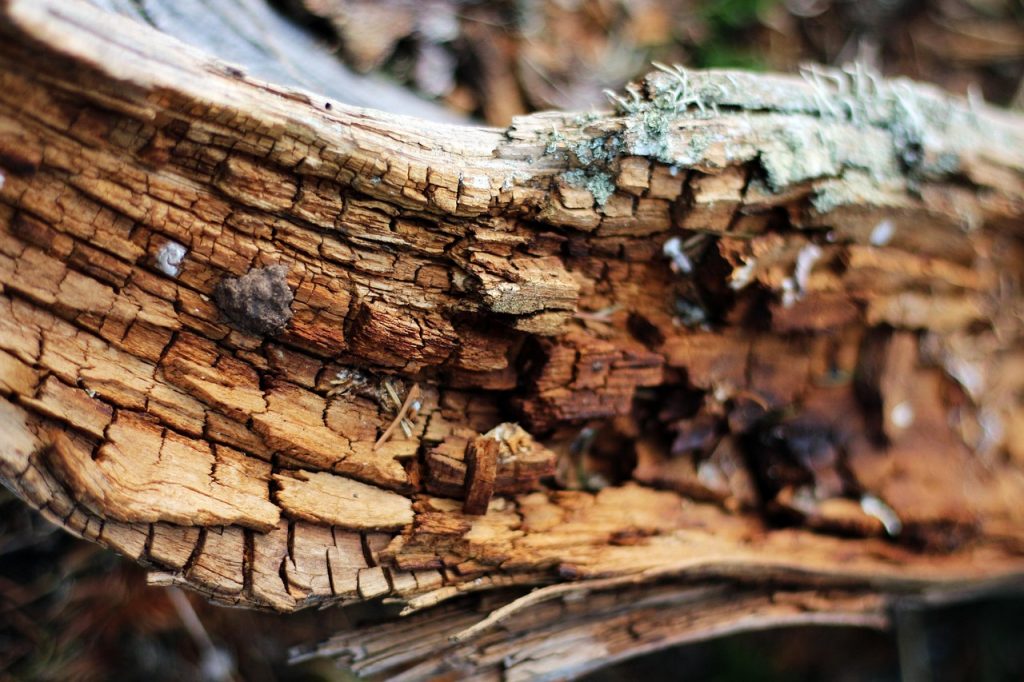
A dead tree stops being a gardening question and becomes a structural one, because decay sets in immediately, the wood turns brittle, and limbs shed without warning. Well away from anything it is valuable habitat and can often be left standing, but overhanging a house, a fence or a pavement it is a liability that grows more awkward the longer it stands. One word of caution before anyone reaches for a saw: work under a Tree Preservation Order normally needs eight weeks’ notice, though where a tree is dead, dying or a safety risk that drops to a minimum of five days.
FAQs
Will a dead tree grow back from the roots?
Some species send up suckers from the stump after the main tree dies, with lime, poplar and elm among the keenest. That growth is not the original tree returning, and it will need managing unless you want a thicket.
Can I water my lawn or trees during a hosepipe ban?
Yes. A ban restricts the hose, not watering itself, so cans, buckets and reused household water are all fine. Thames Water also exempts trees and hedges planted within the last three years where hand watering is impractical.
Should I fell a tree that has dropped all its leaves early?
Not on that alone. Early leaf drop is a stress response rather than a death sentence, and a tree that sheds in August will often leaf out normally come spring. Where it stands close to a house or a road, have it inspected either way.
How long does it take for brown grass to turn green again?
Usually a week or two after proper rain, assuming the crowns are alive. If patches are still bare a month after rain, those crowns have gone and the area needs overseeding.
Let Thor’s Trees take a look before you write a tree off
A brown lawn will sort itself out once the rain returns. A tree that has come through two dry summers in a row is the part of the garden that benefits from a qualified pair of eyes, particularly where the difference between stressed and dead decides whether it stays or goes. As an ARB Approved Contractor working across North London and Hertfordshire, Thor’s Trees can assess what has survived through a survey and consultancy visit, keep