

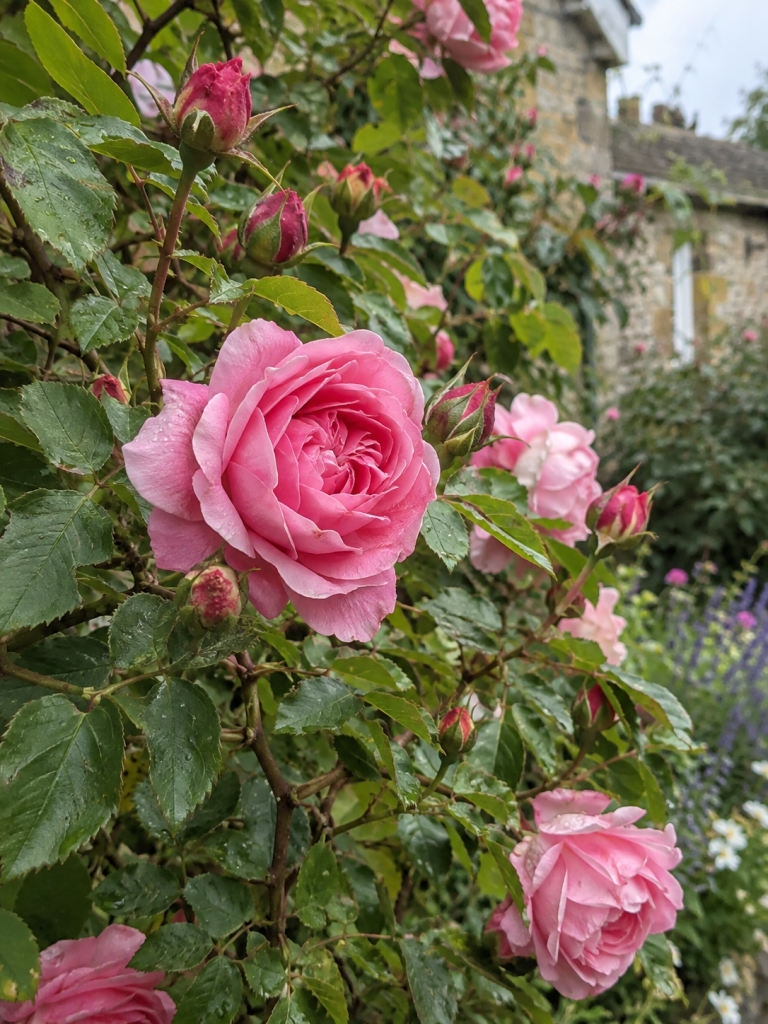
A step-by-step guide for gardeners across North London and Hertfordshire
A well-pruned rose is one of the great rewards of a British garden, all scent and colour from early summer right through into autumn. Plenty of people leave their roses well alone, though, worried that one wrong cut will ruin the plant for good. The truth is far kinder than that. Roses are tough, they genuinely want to grow, and a sensible prune each year does far more good than harm, encouraging healthy new growth and a much better show of flowers.
If the phrase rose tree has you second-guessing what you actually have out in the garden, you are in good company, so it is worth clearing that up before anyone reaches for the secateurs.
First, what is a rose tree?
In everyday use, rose tree tends to mean one of two things. Most often it describes a standard rose, which is an ordinary rose variety budded onto a single tall, clear stem so the flowering head sits well above the ground and looks like a miniature tree. The other common meaning is simply a rose bush, since a lot of people call any established rose a rose tree out of habit. The reassuring part is that the basic principles of pruning are the same whichever you have, and the main difference with a standard rose is that you are shaping a rounded head on top of a stem rather than a bush at ground level. This guide covers the general approach first, then the extra bits that matter for a standard rose and for the different types you are likely to be growing.
When to prune roses
The main prune for most roses happens in late winter or very early spring, generally from late February into March, once the worst of the frosts have passed and the buds are just beginning to swell. The plant is still more or less dormant at this point, so it copes with the cut easily and puts its energy into fresh growth as the weather warms. There is lighter work to do through the rest of the year too.
Deadheading spent flowers across summer keeps the display going and stops the plant wasting effort on hips, while a quick tidy in late autumn, shortening the longest stems, helps stop tall roses being rocked about by winter wind.
The tools for the job
You do not need much, but what you do use should be clean and sharp. A good pair of secateurs handles most rose stems, while a pair of loppers earns its keep on the thicker, older wood near the base. A small pruning saw is handy for the oldest, gnarliest stumps on a long-established rose.
A sturdy pair of gauntlet-style gloves is close to essential, because rose thorns have a real talent for finding bare skin. One last thing that often gets overlooked is cleanliness. Wiping your blades with a little disinfectant between plants, and certainly after cutting out anything diseased, stops you carrying problems from one rose to the next.
How to make a clean cut
Most of rose pruning comes down to a single good cut, repeated. Aim to cut about five millimetres above a healthy, outward-facing bud, with the cut sloping gently away from that bud so water runs off it rather than sitting on it. Choosing an outward-facing bud encourages the new stem to grow away from the centre of the plant, which keeps the middle open and airy. That open, goblet-like shape is exactly what you are working towards, because good airflow through the plant helps the foliage dry quickly and makes diseases such as blackspot far less likely to take hold.
Before you start shaping, always deal with the three Ds first, cutting out any wood that is dead, diseased or damaged, along with thin, weak shoots and any stems that cross and rub against each other. Clean, sharp cuts on the right buds are the whole game, and the same principles carry across to woody plants and trees.
Pruning a standard or tree rose
A standard rose is pruned much like a bush, with one extra thing to keep in mind, and that is balance. Because all the growth sits in a head on top of a tall stem, you are aiming for an even, rounded framework so the plant does not become lopsided or top-heavy. Start by removing the three Ds and any crossing stems, then shorten the remaining healthy stems back to around three to five buds from the base of the head, cutting to outward-facing buds so the shape stays open and even the whole way round.
Standing back every few cuts to check the head from all sides is well worth the effort. Keeping a standard rose reasonably compact matters for a practical reason as well, since a big, heavy head on a slender stem catches the wind and can loosen the roots or even snap the stem in a gale.
Adjusting for different types of rose
Roses are not quite one-size-fits-all, so it helps to know roughly what you are growing. Hybrid tea roses, the classic large-flowered kind grown one bloom to a stem, respond well to a fairly hard prune, cut back to around four to six strong stems and roughly knee height. Floribunda roses, which carry their flowers in clusters, are treated in much the same way but a touch more gently, leaving a little more height and a few more stems. Shrub roses and older garden varieties want a lighter hand, with about a third of the growth taken off and the oldest stems removed at the base to make way for new ones.
Climbing and rambling roses are their own case, as climbers are best pruned in winter, tying in the main stems and shortening the side shoots that flower, while ramblers are usually pruned in summer straight after they finish flowering. If you are pruning ramblers or climbers in the warmer months, do check them over for nesting birds first, since it is against the law to disturb an active nest. Patio and miniature roses, meanwhile, need little more than a light trim to keep them tidy and shapely.
After you have pruned
Once the cutting is done, a little aftercare sets the plant up for the season. Rake up and clear away all the prunings and any fallen leaves from around the base, because old rose material is a common home for diseases like blackspot, and anything showing signs of disease should go in the bin or on the fire rather than the compost heap. A generous mulch of well-rotted manure or garden compost around the base in spring, kept just clear of the stem, feeds the soil and locks in moisture, and a specific rose feed as growth gets going will reward you with stronger stems and more flowers.
If a rose ever looks alarming after a hard prune, all bare stems and no leaves, try not to worry, because roses are remarkably resilient and pruning is far more likely to be saving your plant than harming it.
FAQs
When is the best time to prune a rose in the UK?
For most roses the main prune is late winter to early spring, usually from late February into March, once hard frosts have passed and the buds start to swell. Climbers are also best done in winter, while ramblers are pruned in summer just after flowering. Light deadheading through summer keeps the flowers coming.
How hard should I cut my roses back?
It depends on the type. Hybrid teas take the hardest prune, back to around four to six strong stems at roughly knee height. Floribundas and shrub roses want a gentler reduction, taking off about a third and removing the oldest wood. When in doubt, err on the side of a lighter prune, since you can always take more off but you cannot put it back.
What is the difference between a rose tree and a rose bush?
A rose tree usually means a standard rose, which is a normal rose variety grown on a single tall stem so the flowering head sits up like a little tree. A rose bush grows from close to the ground. Many people use rose tree loosely for any established rose, and either way the pruning principles are much the same.
Can I kill a rose by pruning it wrongly?
It is very unlikely. Roses are tough and forgiving, and even a clumsy prune usually just means a slightly odd shape for a season. The main things to avoid are pruning during a hard frost, leaving ragged torn cuts, and using dirty blades that can spread disease. Beyond that, roses bounce back readily.
Do I need special tools to prune roses?
Not really. Clean, sharp secateurs handle most of the work, with loppers for thicker old wood and a small pruning saw for the oldest stumps. A pair of thornproof gauntlet gloves saves a lot of scratched forearms. The single most important thing is that your blades are sharp and clean, so cuts heal quickly and disease is not passed between plants.
Should I prune my roses in autumn or winter?
A light autumn tidy is useful for tall roses, shortening the longest stems so winter winds cannot rock the plant and loosen its roots. Save the proper structural prune for late winter or early spring, though, when the plant is dormant and better able to cope. Pruning hard too early can encourage tender new growth that the frost will then damage.
When it is a job for the professionals
Roses are one of the more forgiving plants to prune, and most years a pair of secateurs and a free Saturday morning are all you really need. It is the bigger, more established woody plants in a garden where a mistake is harder to undo, and that is where a professional makes the difference.
Thor’s Trees is an ARB Approved Contractor working across North London and Hertfordshire, and while your roses are happily yours to enjoy, our arborists are here for the trees, tall hedges and larger shrubs that need proper equipment and a trained eye. We can keep established trees healthy and well shaped through our ongoing tree care and pruning and maintenance services, take a professional look at anything you are worried about with a survey or consultation, and we cover a good stretch of the region, which you can check on our areas we serve page.