

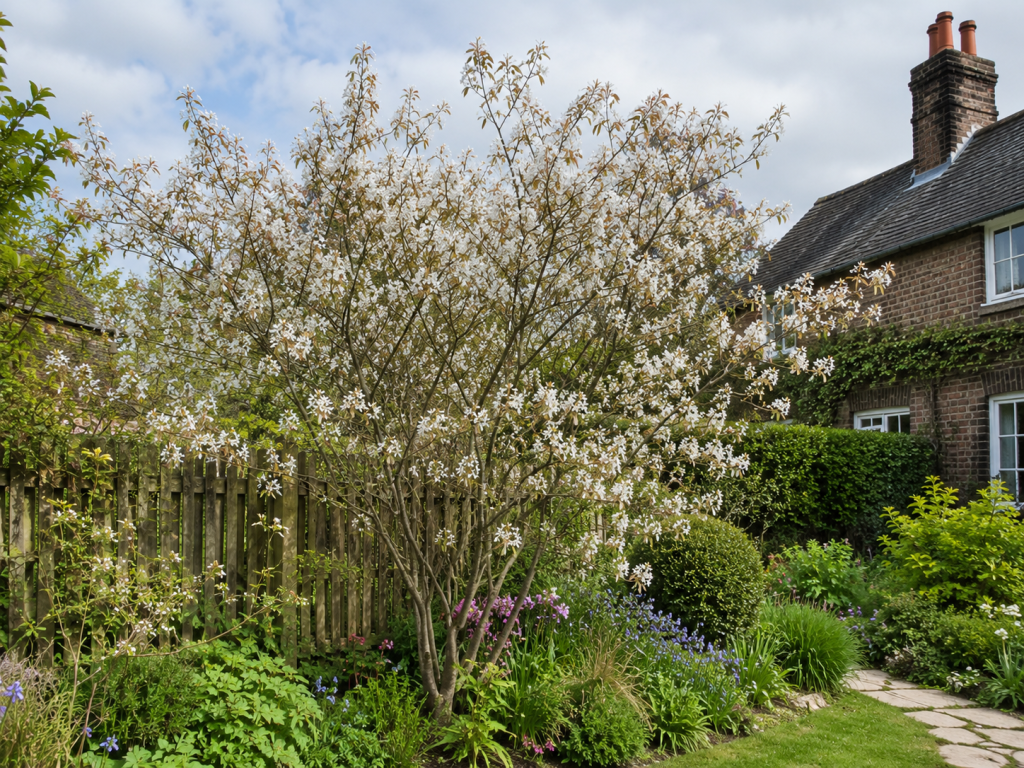
There is a particular kind of optimism that arrives with a garden in full leaf. The borders are filling out, the lawn has greened up, and a bare corner suddenly looks like it is asking for a tree. Summer is not the season most people associate with planting and there is good reason for that. The traditional window for bare-root trees runs from late autumn to early spring, while the tree is dormant and can settle its roots before the growing season asks anything of it. Push a tree into warm, dry soil in July and you are working against the clock from the very first day.
The reassuring part is that summer planting is far from a lost cause. Container-grown trees, the ones sold in pots with their roots already established in compost, can go in at almost any point in the year as long as you keep them watered. That opens up plenty of choice for anyone who would rather not wait until November to get started. The knack is choosing a tree that takes a summer start in its stride, then giving it proper attention through those first few weeks while it finds its feet.
Below are the garden trees that stay popular year after year, picked here for how well they suit a summer planting and a typical garden across North London and Hertfordshire.
Summer planting works, as long as you pick the right kind of tree
The single most important detail in summer is to buy container-grown rather than bare-root. A bare-root tree lifted and planted now has no soil around its roots and almost no chance of coping with the heat. A pot-grown tree carries its whole root system with it, so the move is far less of a shock. Get it in the ground, water it generously, and most of the trees on this list will barely notice the season. Everything after that comes down to keeping the soil moist while the roots spread out into it, which is the part most people underestimate. There is more on that further down.
Amelanchier, the small garden all-rounder
If you want one tree that earns its place in a smaller plot, amelanchier (often sold as snowy mespilus or juneberry) is hard to beat. It stays compact, works as either a single stem or a multi-stemmed shrub-tree, and gives you something to look at in every season. Clouds of white blossom open in spring, small dark berries follow that the birds adore, and the leaves turn a warm orange-red before they drop in autumn. It is unfussy about soil and copes happily in sun or light shade, which makes it a forgiving choice for a summer planting.
Japanese maple, for foliage and shade
Few trees bring colour to a quiet corner the way a Japanese maple (Acer palmatum) does. The finely cut leaves come in shades from soft green to deep burgundy, and the tree stays small and slow enough to suit a courtyard or even a large pot. One word of caution for a summer planting: acers dislike scorching midday sun and drying winds, both of which can crisp the leaf edges. Give it a sheltered, part-shaded spot with reliably moist soil and it will settle in nicely. A position that catches the morning light and is screened from the worst of the afternoon heat is close to ideal.
Crab apple, blossom and a magnet for wildlife
The crab apple (Malus) packs a lot into a modest frame. Spring brings a generous show of pink or white blossom, autumn brings small colourful fruit that lingers on the branches and feeds the birds, and a good crab apple will pollinate nearby eating apples into the bargain. The fruit also makes a lovely jelly if you can beat the blackbirds to it. It is a tough, adaptable tree that suits most gardens, and its care follows much the same logic as a fruiting apple, so our guide on when to prune an apple tree is worth a read once it is established.
Rowan, upright and brilliant for birds
Where space is tight, the rowan or mountain ash (Sorbus aucuparia) is a clever pick because it grows tall and narrow rather than wide. Feathery foliage gives way to clusters of bright berries in late summer and autumn, and those berries are one of the best things you can offer garden birds. Rowan shrugs off exposure and poorer soils that would trouble fussier trees, which is partly why it does so well in built-up areas. There is more on its character and quirks in our know your trees guide to the rowan.
Silver birch, an elegant feature tree
For sheer presence, little matches the white-barked silver birch (Betula pendula). The pale trunk and light, airy canopy make it a favourite as a single specimen or planted in a loose group of three. Because the canopy casts only a gentle shade, grass and planting underneath tend to carry on quite happily. It does grow faster than many of the others here, so it pays to think about its eventual height and root spread before planting near a building or drains. Our guide to the silver birch goes into where it works best and the spacing to keep in mind.
Ornamental cherry, for a spring spectacle
An ornamental cherry (Prunus) buys you one of the great moments of the garden year, when the whole tree disappears under blossom for a week or two in spring. The genus is wonderfully varied, so there is a shape and size for almost any plot, from spreading forms for an open lawn to slim, columnar varieties such as ‘Amanogawa’ that slot into the narrowest of borders. The flowering is fleeting, but few people who have grown one would be without it. Choose the variety to match your space and it will reward you every April.
Olive, the Mediterranean favourite for a hot, sunny spot
Olive trees (Olea europaea) have become a genuine fixture in British gardens, and a warm summer is the perfect time to plant one. The silvery leaves and gnarled stems bring a Mediterranean feel, and once established the olive handles heat and dry spells better than almost anything else on this list, which suits the hotter summers we have been seeing. It does need a sheltered, sunny position and free-draining soil, and it appreciates some protection through a hard winter. Do not bank on a reliable crop of olives this far north, but as a handsome evergreen it is well worth the space. We have a full expert guide to planting an olive tree if you fancy one.
Looking after a summer-planted tree
This is the part that decides whether your new tree thrives or sulks. Water is everything in the first season. Give the tree a deep, slow soaking two or three times a week rather than a daily splash, and step that up during any heatwave, aiming to wet the whole root area rather than just the surface. A ring of mulch (bark chip or compost) spread around the base, kept clear of the trunk itself, locks that moisture in and keeps competing weeds down. If the spot is exposed, a low stake will stop the wind rocking the roots loose before they have anchored. Keep this up through the first growing season or two, and do glance over the leaves now and then, since spotting the early warning signs of stress or disease early makes them far easier to sort out. As the tree matures and fills out, a light crown lift can let more light through to whatever is growing beneath it. For a fuller seasonal checklist, our top tips on caring for trees in summer covers the ground well.
FAQs
When is the best time to plant a tree in the UK?
For bare-root trees, the ideal window is the dormant season, from late autumn through to early spring. Container-grown trees can be planted at any time of year, summer included, provided you keep them well watered while they establish. If you are planting now, container-grown is the way to go.
How often should I water a newly planted tree in summer?
Aim for a deep soak two or three times a week through the first summer, and more often in very hot, dry spells. A long, slow watering that reaches the full depth of the roots does far more good than a quick daily sprinkle. Most trees need this attention for at least their first one to two growing seasons.
What is the best small tree for a typical UK garden?
Amelanchier, crab apple, rowan and a columnar ornamental cherry are all excellent choices for smaller gardens, since they stay compact and offer blossom, colour or wildlife value without outgrowing their space. The right one for you depends on the look you are after and how much room you have.
Can I plant a tree in a pot?
Yes, and some trees take to it particularly well. Japanese maples and olives are both happy in large containers for years. A potted tree does need more regular watering and feeding than one in the ground, and it will eventually want potting on into a bigger container or a permanent spot in the garden.
How far from my house should I plant a tree?
It depends on the species’ mature size and on your soil. On the clay soils common across parts of North London and Hertfordshire, larger or thirstier trees are best kept a sensible distance from the building and drains. As a rough rule, the bigger the tree will grow, the further away it should sit. If you are unsure, it is worth getting advice before you plant rather than after.
Do I need permission to plant a tree?
Planting a tree in your own garden does not normally need permission. Permissions and protections such as Tree Preservation Orders mostly come into play when you want to remove or carry out work on an existing tree, particularly in a conservation area. The main thing to get right at planting is the old principle of the right tree in the right place.
Planting something new this summer? Let’s make sure it thrives
Thor’s Trees is an ARB Approved Contractor working across North London and Hertfordshire, and we look after garden trees at every stage of their lives. Whether you would like a hand choosing and planting the right tree for your space through our tree planting service, ongoing residential tree care to keep an established garden looking its best, or skilled tree surgery and maintenance as your trees mature, the team is here to help.